

Discover essential game modding tips, custom server setup, and mod creation basics—with inclusive images and SEO-optimized content to enhance gameplay and boost site traffic!
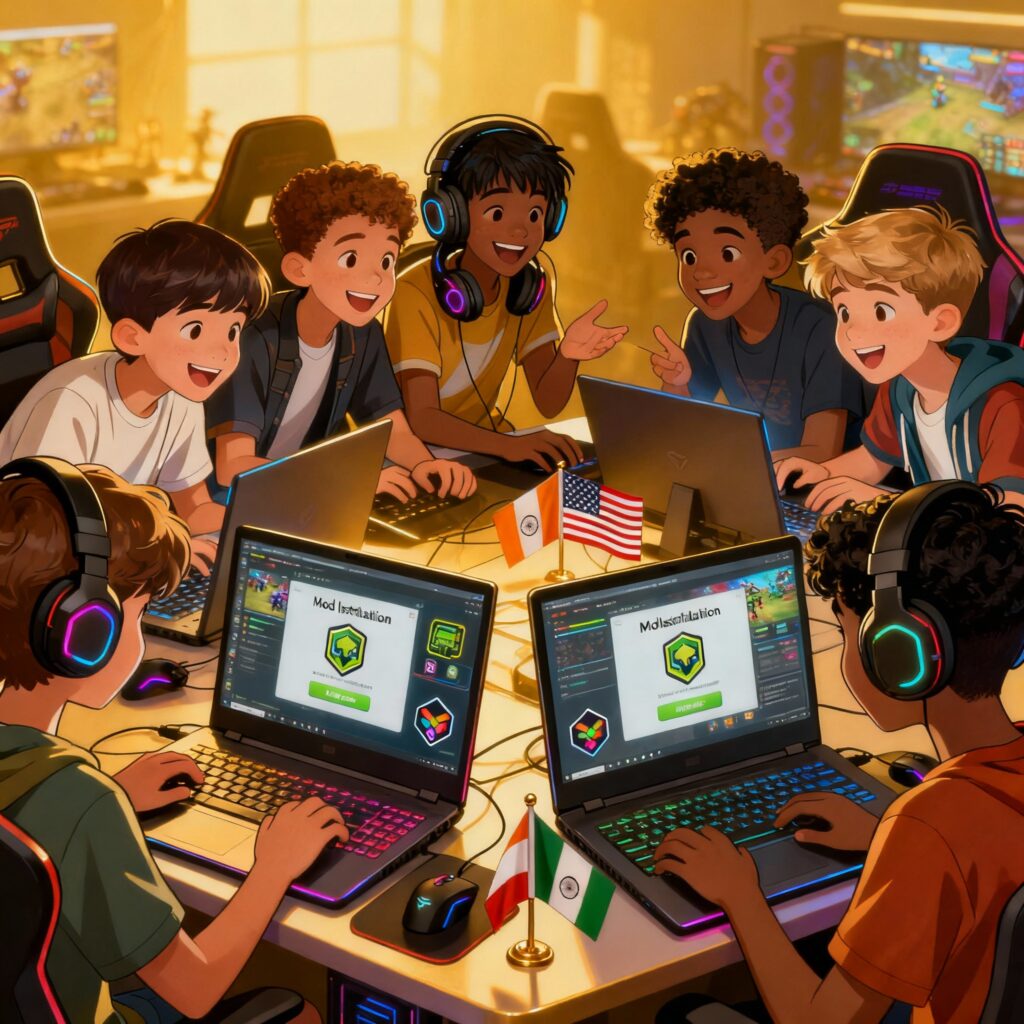
Greetings, creative crafters and server architects! Whether you’re installing community-made mods or building your own custom server, this guide is packed with professional insights, witty humor, and SEO-savvy strategies. Meet our multicultural crew as they transform vanilla gaming into personalized adventures!
1. What Are Mods? Unlocking Game Potential
Mods (modifications) are fan-made additions that alter or expand gameplay:
- Content Mods: New weapons, skins, quests, or characters.
- Gameplay Mods: Tweaks to mechanics—faster movement, improved AI, or custom difficulty.
- Quality-of-Life Mods: UI improvements, performance optimizations, and inventory management.
- Total Conversions: Entirely new game experiences built on existing engines.
Include game modding basics and junior gamer mods guide in headings for SEO traction.
2. Finding & Installing Mods Safely
Navigate the modding community without missteps:
- Trusted Sources: Use official mod hubs like NexusMods or Steam Workshop.
- Version Compatibility: Match mod versions to your game patch to prevent crashes.
- Backup Saves: Always back up save files before installing new mods.
- Dependency Check: Install required libraries or frameworks first (e.g., .NET, SKSE).
Embed safe mod installation and game modding tips to attract search traffic.
3. Custom Servers: Building Your Own Realm
Custom servers let you control rules, maps, and player experience:
- Server Hosting Options: Local machine vs. rented VPS vs. game-specific hosting services.
- Configuration Files: Edit .ini or .cfg files to adjust game settings, spawn rates, and permissions.
- Whitelist & Permissions: Create user groups with different access levels—admin, moderator, player.
- Plugin Integration: Use server-side plugins for additional features like economies or mini-games.
Include custom server setup and junior gamer hosting guide for targeted SEO.
4. Mod Conflict Resolution: Keep Your Game Stable
Multiple mods can sometimes clash. Fix common issues:
- Load Order Management: Use tools like LOOT to auto-sort mod load sequences.
- Conflict Detectors: Identify overlapping files or scripts causing errors.
- Patch Mods: Create compatibility patches when two mods alter the same asset.
- Clean Install: Remove all mods and re-add one by one to isolate conflicts.
Target mod conflict solutions and game stability tips in content for niche SEO.
5. Designing Your Own Mods: A Beginner’s Coding Guide
Step into creation with easy mod designs:
- Scripting Languages: Learn Lua, Python, or game-specific languages like Papyrus for Skyrim.
- Asset Creation: Use tools like Blender or GIMP to craft 3D models and textures.
- Simple Mod Examples: Start with modifying weapon stats or dialog lines.
- Testing Environment: Create a separate test profile to debug without affecting main save.
Embed mod creation tutorial and coding for junior gamers to draw aspiring developers.
6. Community Collaboration: Co-Create with Friends
Modding and server building are more fun together:
- Team Projects: Assign roles: coder, artist, tester, and documentation writer.
- Version Control: Use GitHub or GitLab to track changes and coordinate work.
- Feedback Cycles: Share beta versions and gather community feedback.
- Showcase Events: Host mod release parties or live walkthrough streams.
Include mod collaboration tips and team server building for community-focused SEO.
7. Monetizing Mods & Servers Ethically
Earn recognition (and sometimes revenue) while respecting guidelines:
- Patreon Support: Offer early access or exclusive mods to patrons.
- Donation Tools: Integrate Ko-fi or Buy Me a Coffee links on mod pages.
- Ad Revenue: Stream your modding sessions or server gameplay on YouTube/Twitch.
- Respect EULAs: Ensure you comply with game publisher policies on monetization.
Use mod monetization strategies and ethical modding tips to guide young entrepreneurs.
8. SEO & Content Strategy: Make Your Mods Discoverable
Effective promotion boosts downloads:
- Keyword-Rich Titles: Include game name + mod type, e.g., “Minecraft Treehouse Mod 2025.”
- Detailed Descriptions: Outline features, installation steps, and compatibility notes.
- Tags & Categories: Utilize platform tags like “survival,” “cosmetic,” or “performance.”
- Multimedia: Embed tutorial videos, screenshots, and GIF previews inline.
Embed mod promotion tips and mod SEO strategies for content creators.
9. Server Community Growth: Attract & Retain Players
A thriving server needs a vibrant community:
- Welcome Messages: Automated greetings with rules and helpful links.
- Events & Challenges: Host build contests, PvP tournaments, or scavenger hunts.
- Moderation Policies: Ensure a safe, inclusive environment with clear rules.
- Rewards & Ranks: Implement leveling systems or cosmetic rewards for active players.
Include server community building and player retention tips for comprehensive SEO.
10. Troubleshooting & Support: Stay Prepared
Be ready to tackle common issues:
- Error Logs: Check server and game log files for error messages.
- Support Forums: Create Discord channels or subreddit posts for help requests.
- Patch Updates: Keep mod frameworks and server software up to date.
- Knowledge Base: Maintain a wiki or FAQ for recurring questions.
Use mod troubleshooting guide and server support tips to anticipate reader needs.
11. Celebrating Creations: Showcase Your Work
Shine a spotlight on your mods and servers:
- Mod Spotlights: Write blog posts featuring standout community mods.
- Server Tours: Stream guided tours of custom maps and features.
- User Testimonials: Highlight player feedback and success stories.
- Achievement Badges: Award digital badges for players who try new mods or servers.
Embed mod showcase ideas and server promotion tips for user-generated SEO content.
12. Future Trends: The Next Frontier in Modding
Stay ahead with emerging technologies:
- VR & AR Mods: Develop immersive experiences for virtual reality platforms.
- Cross-Platform Mods: Explore compatibility between PC, console, and mobile.
- AI-Assisted Creation: Use machine learning tools for texture generation or code suggestions.
- Cloud-Based Servers: Leverage cloud gaming platforms for scalable server hosting.
Include future modding trends and AI gaming tools for forward-looking SEO.
13. Reflect & Iterate: The Modder’s Growth Mindset
Continuous improvement fuels creativity:
- Feedback Integration: Act on user reports and suggestions.
- Skill Development: Practice coding, art, and server management regularly.
- Networking: Connect with veteran modders and join developer communities.
- Celebrate Milestones: Acknowledge personal and community achievements publicly.
Tag junior modder growth and continuous learning tips to inspire readers.
Ready to Level Up Your Game?
With these modding insights, custom server strategies, and creative tips, you’re prepared to transform any game into your own masterpiece in 2025. Bookmark this #20 guide, rally your friends, and let’s craft adventure—together!
Leave a Reply