
Discover the definitive junior gamer tips, youth gaming strategies, and skill-building routines for junior players in 2025. Learn how to improve performance, join online tournaments, and connect with a supportive gaming community for lasting success.
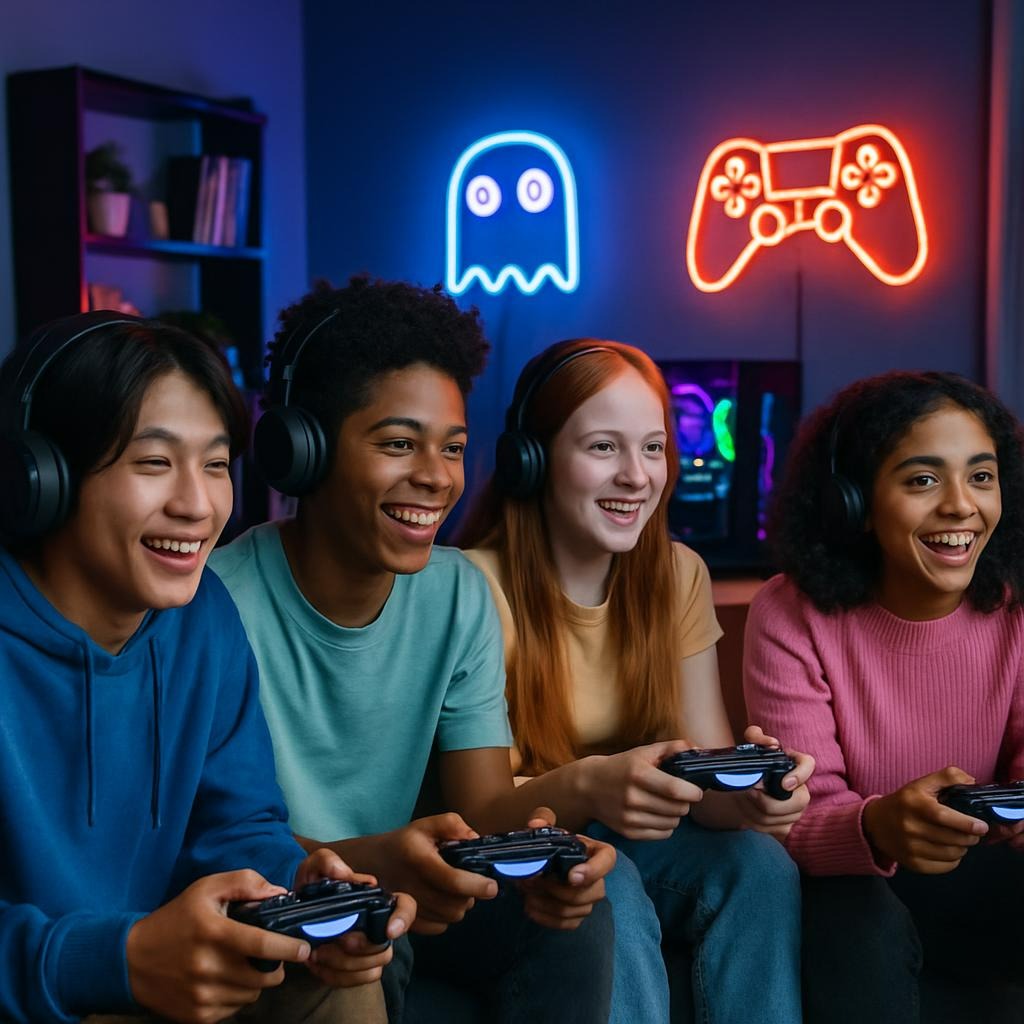
Gaming is no longer just a hobby—it’s a vibrant ecosystem where junior players sharpen their critical thinking, build teamwork skills, and forge lifelong friendships. As competition intensifies across esports, junior leagues, and online tournaments, young gamers need a structured roadmap that balances skill acquisition, community engagement, and healthy habits. This comprehensive 2000-word guide covers everything from choosing the right games and mastering mechanics to leveraging SEO-friendly practices for community growth. Follow this blueprint to accelerate skill development, boost confidence, and lay the foundation for junior gaming success.
Table of Contents
- The Rise of Junior Gaming in 2025
- Selecting the Best Games for Junior Players
- Establishing Effective Practice Routines
- Mastering Core Mechanics and Advanced Tactics
- Building a Supportive Junior Gaming Community
- Participating in Youth Tournaments and Leagues
- Leveraging Online Resources and SEO Strategies
- Optimizing Your Gaming Setup on a Budget
- Balancing Gaming with Health and Well-Being
- Encouraging Parental and Educational Support
- Safety, Digital Citizenship, and Positive Online Behavior
- Emerging Trends in Junior Gaming for 2025
- Crafting Your Personal Growth Roadmap
- Conclusion: Level Up and Lead the Next Generation
1. The Rise of Junior Gaming in 2025
The junior gaming landscape has blossomed into a structured arena, complete with dedicated leagues, youth-focused esports events, and specialized junior gaming platforms. Educational programs now incorporate gaming elements to teach problem-solving and collaboration, while gaming brands sponsor under-18 teams to nurture grassroots talent. For young players, this growth translates into unprecedented opportunities to learn, compete, and showcase their skills on global stages.
Key drivers behind the explosion of youth gaming strategies include:
- Accessible online platforms designed for ages 8–17
- Age-specific tournaments with skill-based divisions
- Streaming communities centered around mentorship and peer learning
- Integration of gaming modules in STEM curricula
2. Selecting the Best Games for Junior Players
Choosing the right game is critical for sustained engagement and skill progression. Rather than following trending titles indiscriminately, junior players should evaluate each game based on:
1. Progressive Learning Curve
Opt for games that introduce mechanics incrementally. Titles like platformers with level-based progression or strategy games with tutorial campaigns ensure that novices aren’t overwhelmed by complexity.
2. Community Support and Resources
Games with active junior communities—Discord servers, youth subreddits, and official forums—provide free tutorials, custom maps, and peer-to-peer coaching.
3. Replay Value and Seasonal Events
Seasonal content and rotating challenges keep motivation high. Look for games offering weekly missions, reward tracks, or limited-time modes to maintain fresh goals.
4. Skill Transferability
Select games that develop transferable skills. First-person shooters enhance hand-eye coordination, real-time strategy games build multitasking ability, and cooperative adventures strengthen communication.
3. Establishing Effective Practice Routines
A targeted practice routine transforms casual play into deliberate skill improvement. Prioritize structured practice over marathon sessions:
Create SMART Goals
- Specific: “Hit 80% accuracy in aim trainers.”
- Measurable: “Log accuracy percentage daily.”
- Achievable: “Spend 10 minutes per session on drills.”
- Relevant: “Choose drills directly applicable to target games.”
- Time-bound: “Review and adjust goals weekly.”
Sample Weekly Practice Schedule
- Monday: 15-minute aim training + 30-minute ranked matches
- Tuesday: Map rotation drills + 20-minute replay analysis
- Wednesday: Strategy review with mentor/coach + casual play
- Thursday: Team communication drills + map exploration
- Friday: Reaction time challenges + tournament simulation
- Weekend: Junior league matches or community scrimmages
4. Mastering Core Mechanics and Advanced Tactics
Progressing from basics to advanced tactics ensures balanced growth:
Core Mechanics
- Movement Mastery: Strafing, bunny hopping, and crouch-jump techniques in FPS titles.
- Resource Management: Efficient use of in-game currencies, cooldown timing, and inventory control.
- Map Awareness: Memorize chokepoints, spawn timings, and high-traffic zones.
Advanced Tactics
- Team Rotations: Learn to synchronize rotations based on objective timers.
- Split-Second Decision-Making: Use quick scene-analysis drills to train pattern recognition.
- Mind Games and Feints: Master bait-and-switch tactics to confuse opponents.
5. Building a Supportive Junior Gaming Community
A strong community accelerates learning and provides emotional support:
Join Age-Appropriate Online Groups
- Search keywords: “junior gaming Discord,” “under-18 esports community,” “youth gamer support.”
- Participate in discussion threads, ask questions, and share highlights.
Organize In-Person or Virtual Meetup Sessions
- Host monthly “Junior Gaming Nexus” meetups via video platforms.
- Rotate focus: mechanical drills one month, strategy workshops the next.
Mentorship and Peer Coaching
- Pair beginner players with experienced junior gamers.
- Maintain a shared progress journal documenting challenges and wins.
6. Participating in Youth Tournaments and Leagues
Structured competition builds resilience and exposes young gamers to varied playstyles:
Finding Tournaments
- Local community centers often host junior gaming nights.
- Online tournament platforms have under-18 brackets; search “2025 junior esports tournaments.”
- School clubs frequently coordinate inter-school competitions.
Preparation Tips
- Review tournament rulebooks and maps in advance.
- Schedule practice scrimmages against mixed-skill opponents.
- Analyze previous winners’ playstyles via publicly available streams.
Psychological Readiness
- Practice pre-match rituals: breathing exercises, positive affirmations, and team huddles.
- Visualize success scenarios and coping strategies for setbacks.
7. Leveraging Online Resources and SEO Strategies
To grow both personal brand and community, junior gamers must understand basic SEO best practices that apply to streaming channels, blogs, and community pages:
Keyword Research for Junior Gaming Content
- Use free tools to identify high-volume long-tail keywords such as “best junior FPS tips 2025,” “youth gaming strategy guides,” and “under-18 esports coaching.”
- Incorporate these keywords naturally into video titles, blog posts, and social media captions.
On-Page SEO Basics
- Craft descriptive, keyword-rich titles and headings.
- Write concise, informative meta descriptions under 160 characters.
- Use header tags (H1–H3) to structure content and highlight target phrases.
- Add relevant alt text to images: e.g., “Junior gamer practicing aim drills.”
Off-Page SEO and Community Growth
- Encourage backlinking by collaborating with youth gaming blogs and educational platforms.
- Share content in relevant Discord channels and junior gaming forums.
- Engage with comments and questions promptly to boost page dwell time.
8. Optimizing Your Gaming Setup on a Budget
High-end gear isn’t required for success; strategic upgrades can yield big dividends:
Essential Upgrades
- Precision Mouse or Controller: Opt for entry-level models with programmable buttons.
- Clear Audio Headset: Even mid-range headsets enhance communication and sound cues.
- Stable Internet Connection: Use wired Ethernet or a quality gaming router to reduce ping.
Ergonomic Considerations
- Adjustable chair to support posture during extended sessions.
- Monitor stand for proper eye alignment.
- Desk organization: cable management and dedicated space for notes and water.
DIY Enhancements
- Build a simple foam wrist rest for typing comfort.
- Customize controller grips with affordable silicone skins.
9. Balancing Gaming with Health and Well-Being
Sustainable improvement requires a healthy mind and body:
Physical Health
- Follow the 20-5-20 rule: every 20 minutes, look 20 feet away for 5 minutes.
- Incorporate stretching routines targeting wrists, neck, and shoulders.
- Schedule regular cardio or strength training sessions to boost endurance.
Mental Health
- Practice mindfulness or breathing exercises before intense matches.
- Keep a gaming journal to reflect on emotional highs and lows.
- Celebrate progress with friends and family to reinforce positive habits.
Time Management
- Use timers or apps to track gaming sessions and enforce breaks.
- Create a balanced weekly schedule that includes schoolwork, hobbies, and gaming.
10. Encouraging Parental and Educational Support
Parental involvement and school endorsements can enhance junior gaming experiences:
Parental Guidelines
- Set clear screen-time limits and break schedules.
- Encourage involvement: ask about favorite games and strategies.
- Monitor online interactions for safety and positive behavior.
Educational Integration
- Advocate for esports clubs or after-school gaming workshops.
- Connect gaming goals with academic skills: teamwork, problem-solving, and digital literacy.
- Utilize gaming platforms for educational simulations in STEM subjects.
11. Safety, Digital Citizenship, and Positive Online Behavior
Navigating online spaces responsibly is essential for young gamers:
Account Security
- Enable two-factor authentication on gaming accounts and email.
- Use strong, unique passwords and a secure password manager.
Positive Interaction
- Model respectful communication and conflict resolution.
- Report harassment and cyberbullying to platform moderators.
Digital Footprint Awareness
- Teach juniors to think twice before sharing personal information.
- Encourage them to build an online persona around positivity and skill sharing.
12. Emerging Trends in Junior Gaming for 2025
Stay ahead of the curve by embracing new developments:
Cloud-Based Junior Tournaments
Platforms offering instant matchups and dynamic seeding for youth brackets.
AI-Driven Personalized Coaching
Machine learning tools analyze gameplay and deliver tailored training drills.
Cross-Platform Junior Leagues
Unified tournaments where PC, console, and mobile junior gamers compete under standardized rules.
Gamified Education Modules
Integration of esports concepts into classroom curricula for enhanced engagement.
13. Crafting Your Personal Growth Roadmap
Combining all elements into a cohesive plan ensures long-term success:
- Goal Setting: Define 3-month, 6-month, and 12-month skill targets.
- Resource Mapping: List tutorials, mentors, and community channels to utilize.
- Practice Log: Maintain a weekly spreadsheet tracking drills, matches played, and outcomes.
- Review and Adapt: Conduct monthly performance reviews, adjust goals, and celebrate milestones.
14. Conclusion: Level Up and Lead the Next Generation
Junior gaming in 2025 offers limitless potential for young players who embrace structured practice, community collaboration, and healthy habits. By applying this junior gaming blueprint, budding gamers will accelerate skill acquisition, build meaningful friendships, and pave the way for future leaders in esports and gaming education. Ready to embark on your journey? Share your progress, join a junior league, and keep pushing the boundaries—your next victory is just around the corner.
Leave a Reply